On 21 September, the U.S. Food and Drug Administration reported that the multistate outbreak investigation concerning E. coli O145:H28 and organic frozen blueberries had been completed, after the CDC declared the outbreak over. The final public update recorded 17 illnesses, six hospitalisations and no deaths.
FDA reported that its own finished-product samples were negative. Earlier in the investigation, however, a sample collected by a customer tested positive for the outbreak strain. Products had been recalled and the agency confirmed that frozen blueberries from the company involved remain subject to Import Alert 99-35 and may be detained without physical examination.
This is important industry news, but its broader lesson is not about one company or one country. It is about the standard of evidence now expected throughout the international frozen-fruit supply chain.
Organic certification verifies a production system. It does not replace food-safety controls, hazard analysis or evidence that each lot was produced under control.
What has changed for buyers?
Importers were already responsible for supplier approval and verification. In the United States, the Foreign Supplier Verification Programs rule requires risk-based activities for each food and foreign supplier. Importers must assess foreseeable hazards, supplier performance, food-safety history and the adequacy of corrective actions.
What is changing is the intensity of the conversation. Buyers are increasingly likely to ask not only whether a supplier is certified, but whether the supplier can quickly demonstrate how risks are controlled in practice.
A buyer-ready technical file should connect:
- certified fields, growers, receiving lots and finished-product lots;
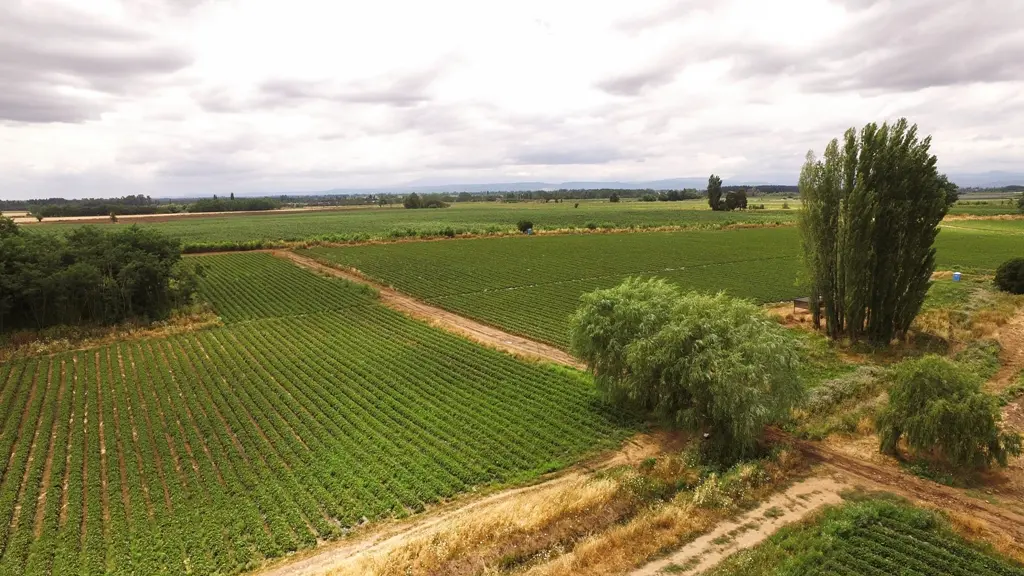
- agricultural and process-water risk assessment and monitoring;
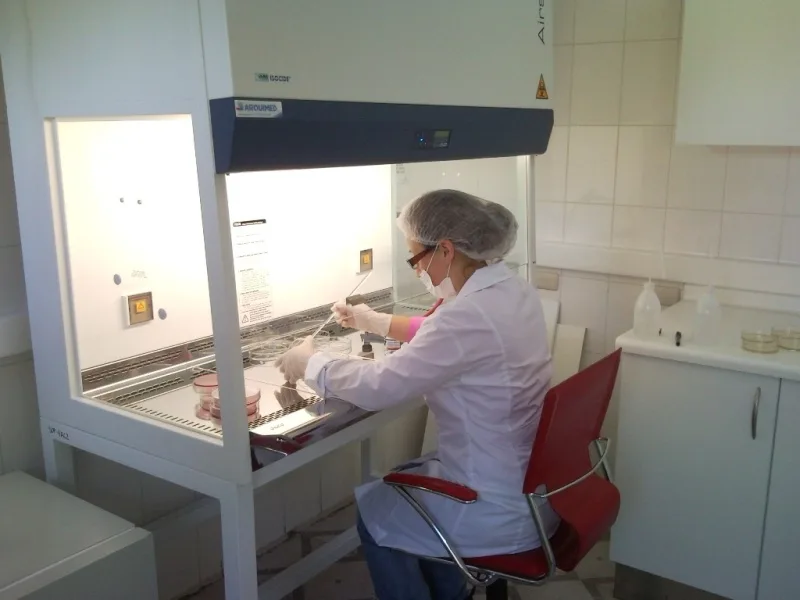
- microbiological testing of fruit, water and the processing environment;
- washing and sanitation procedures with supporting validation;
- deviations, corrective actions and evidence of closure;
- mock recall results and traceability through shipment;
- the specification, certificate of analysis and actual condition of the lot.
Traceability must be operational—not decorative
A traceability chart in an audit file is useful only if the company can execute it under pressure. The commercial question is simple: if a buyer provides a finished-product code, how quickly can the processor identify the fields, harvesting dates, receiving records, production shift, analytical results, packaging inputs and customers who received the lot?
For vertically integrated programmes, the answer may be easier to organise, but integration alone is not proof. What matters is disciplined data, lot separation and the ability to retrieve reliable records promptly.
Why this matters before Chile's new season
Chile's 2026/27 season will enter a market that still values counter-seasonal supply, organic programmes and dependable industrial fruit. At the same time, buyers—especially those supplying retail and private label—will be careful about approving programmes that cannot present coherent documentation.
This creates both a challenge and an opportunity. Suppliers able to show control of agricultural water, field identity, hygiene, microbiological risk, process conditions and lot release can distinguish themselves before the first commercial negotiation is complete.
The practical conclusion
The strongest sales argument is no longer a promise that fruit is safe and traceable. It is the ability to demonstrate it clearly, consistently and before the buyer has to ask twice.
For growers and processors, the weeks before harvest are therefore not merely a production-planning period. They are the moment to close documentation gaps, test recall systems, review open corrective actions and ensure that commercial claims are fully supported.
Editorial note: This article provides general industry information and does not attribute responsibility beyond the findings published by the cited authorities.